

Make food waste collection as easy as normal trash service, then convert organics into biogas and compost through city-wide logistics.
The big idea
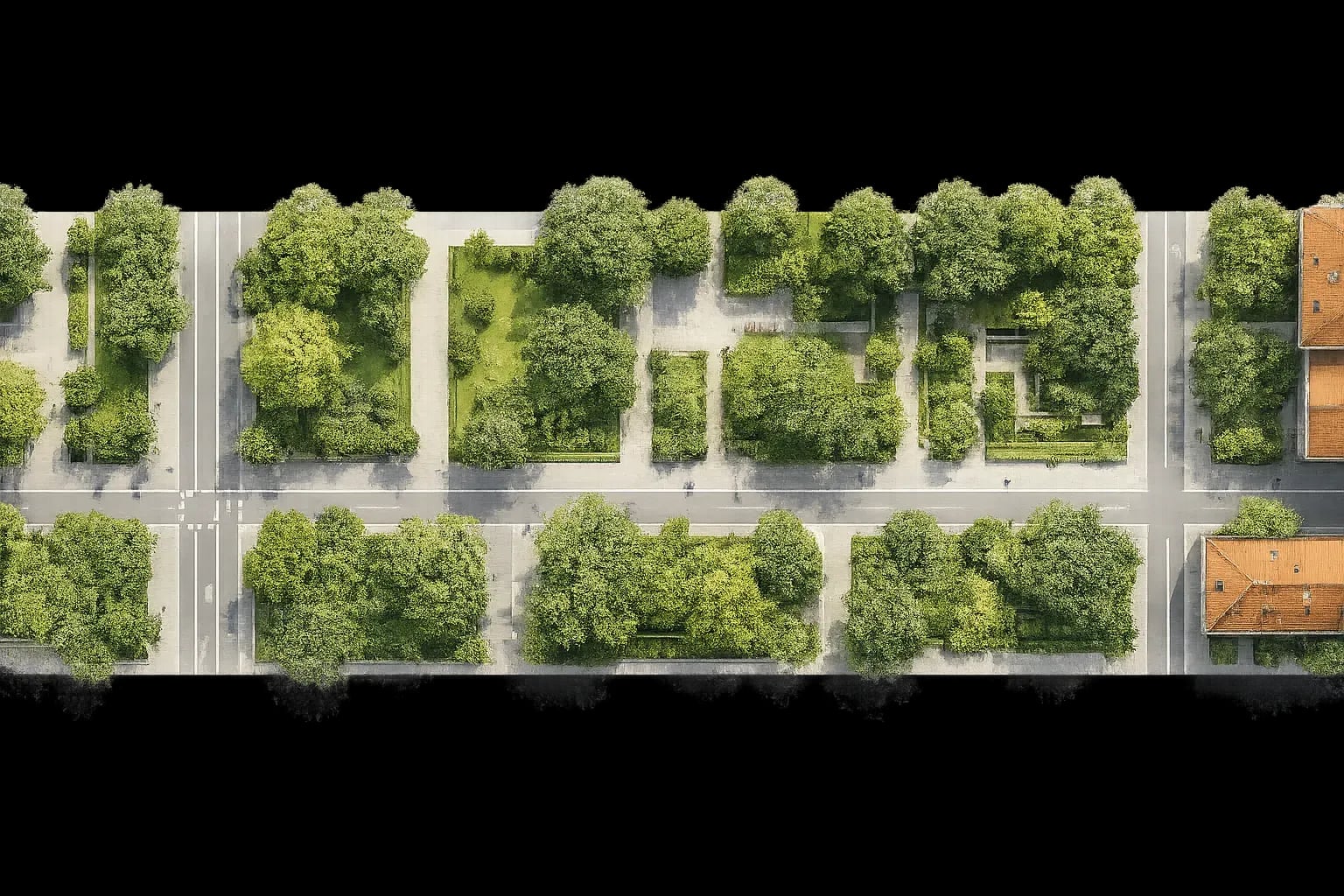
Milan rolled out city-wide residential food waste collection, turning organics into biogas and compost while cutting CO2.
Make food waste collection as easy as normal trash service, then convert organics into biogas and compost through city-wide logistics.

Milan needed to manage high quantities of food waste in a dense city of 1.36 million people. In 2011, recycling was low and mainly focused on dry materials like paper and plastic, while food waste collection served only commercial sources. The city had to expand service without adding unnecessary traffic or fuel use, while also engaging households across the city.
Milan’s plan combined household participation with carefully organized logistics. The city provided residents with practical tools, collected food waste twice a week, and sent organics to facilities that produce biogas and compost. Outreach, including a dedicated app, supported behavior change at city scale.
Step 1
Milan redesigned collection services to include residential food waste across the entire city.
Step 2
Households received free vented kitchen bins and used compostable bags for separating food waste.
Step 3
Food waste was picked up twice weekly at the curbside to make participation simple and routine.
Step 4
Waste was transferred the same day to anaerobic digestion and composting facilities.
Step 5
The city organized routes to limit fuel use and traffic, and used an app and outreach to keep citizens involved.
1.36 million
City population served
90 kg
Per resident yearly waste collected
8,800 tons CO2
Reported CO2 reduction
9,500 tons CO2/year
Expected annual CO2 reduction
Milan involved nearly all residents in collecting food waste in compostable bags within less than two years. The collected food waste is used to produce biogas and compost for soil remediation. The project reports major emissions reductions and also supports the bio-waste treatment sector.
Milan shows that dense cities can scale food waste collection quickly when service design and citizen engagement are handled together. Free kitchen bins, compostable bags, clear logistics and frequent curbside pickup helped nearly all residents participate.
Explore additional presentations that complement this one

London expanded its Ultra Low Emission Zone citywide, cutting roadside NO₂, emissions and non-compliant vehicles in its first year.
Read more
CityCatalyst is a comprehensive platform designed to assist cities and consultants in accelerating climate action through AI-powered tools and datasets. It enables users to conduct GHG inventories, assess climate risks, and prioritize mitigation and adaptation strategies without requiring technical expertise.
Read more
Varde uses fill-level sensors in 30 large waste containers to plan routes by need, cutting trips, diesel use and costs.
Read more

