

Combine LED streetlights, motion sensors and open source control so lights dim when roads are empty and cities avoid vendor lock-in.
The big idea
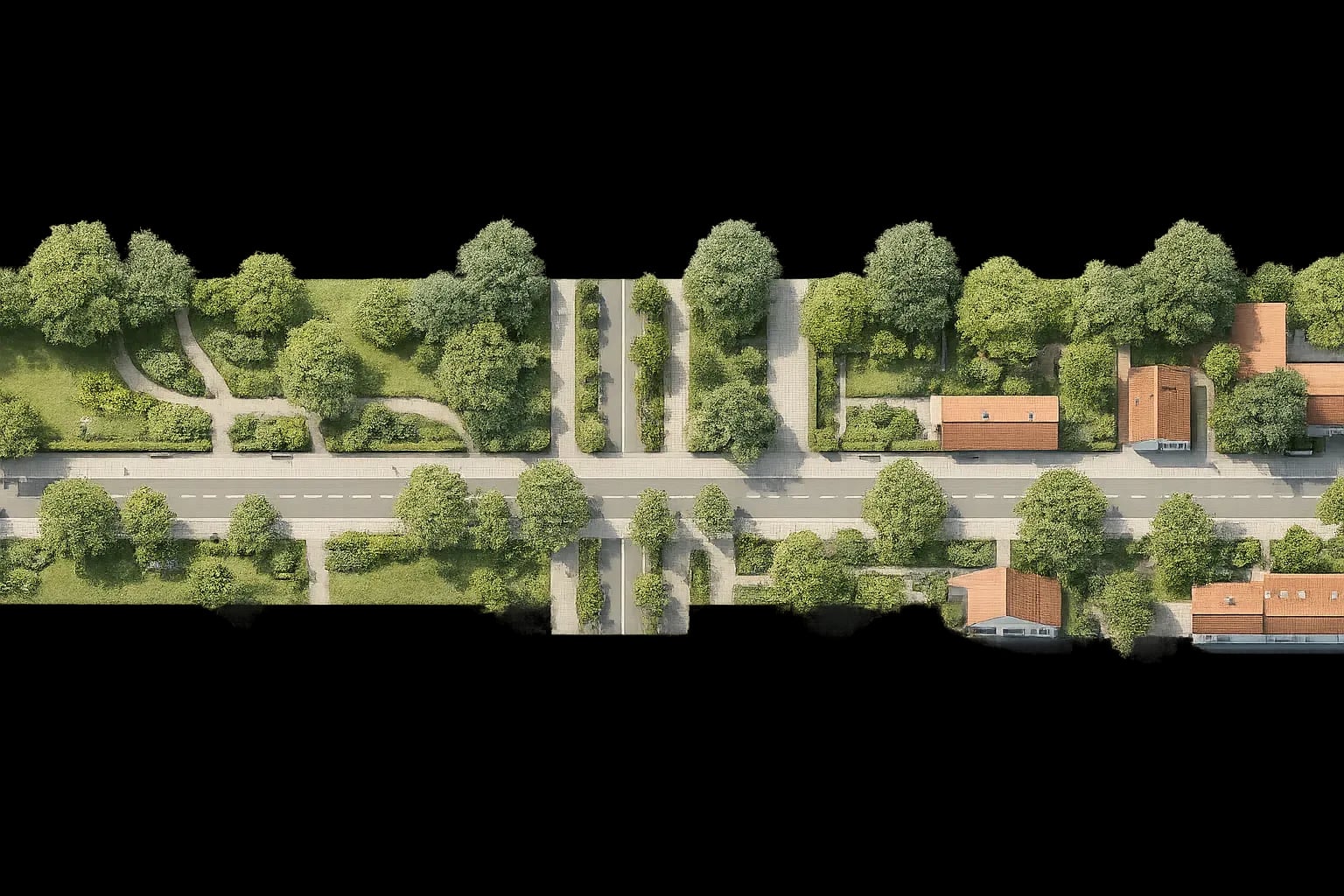
Haderslev cut streetlight energy use with LED lamps, motion sensors and an open source lighting platform.
Combine LED streetlights, motion sensors and open source control so lights dim when roads are empty and cities avoid vendor lock-in.

Street lighting was a significant municipal energy cost, and many cities had only taken the first step of switching to LED. Haderslev wanted deeper savings by adding dynamic control, especially in smaller towns and residential streets with little night traffic. The municipality also had to justify a large upfront investment and address citizen concerns about darker streets.
The plan was to go beyond standard LED replacement by installing sensor-controlled, intelligent streetlights. Haderslev prioritized an open source platform to keep procurement flexible and avoid vendor lock-in. The rollout combined technical implementation, staff training, energy-company partnerships and dialogue with residents.
Step 1
The municipality built a business case covering energy savings, resource savings and a greener profile, supported by longer market dialogue.
Step 2
Haderslev replaced 6,500 existing fixtures with intelligent LED streetlights across the municipality.
Step 3
Motion sensors and a digital open source platform enabled lamps to dim or brighten based on road use.
Step 4
Employees were trained to operate the platform and use real-time lamp status instead of manual inspections.
Step 5
Energy companies bought documented energy savings, helping finance scaling of the solution.
82%
Reduction in electricity use from dynamic lighting and LED compared with 2015.
72 ton CO2
Estimated annual CO2 reduction using the Klimakompasset factor.
511,000 kWh
Electricity savings reported for the dynamic street lighting system.
36 mio. kr.
Total investment for replacing 6,500 streetlights.
The municipality achieved major cuts in electricity use and CO2 emissions from street lighting. Across the dynamic streetlighting system, electricity use fell by 82% compared with 2015; in two smaller towns savings reached up to 97%. The investment is expected to pay back in about 8-10 years through annual savings of around 4 million Danish kroner.
A strong business case was essential because the upfront investment was large and payback takes several years. The open source platform reduced vendor lock-in, while staff training and citizen dialogue helped implementation. The biggest savings came where traffic is low at night.
Explore additional presentations that complement this one

Hørsholm used AI energy management in municipal buildings to cut energy use, CO2 and costs with a one-year payback.
Read more
Copenhagen used lifecycle management and MDM monitoring to reuse devices, stop idle stock, and cut mobile IT emissions.
Read more
Tårnby cut heat use in 37 public buildings with sensors, weather forecasts and AI control, saving energy, CO2 and costs.
Read more

